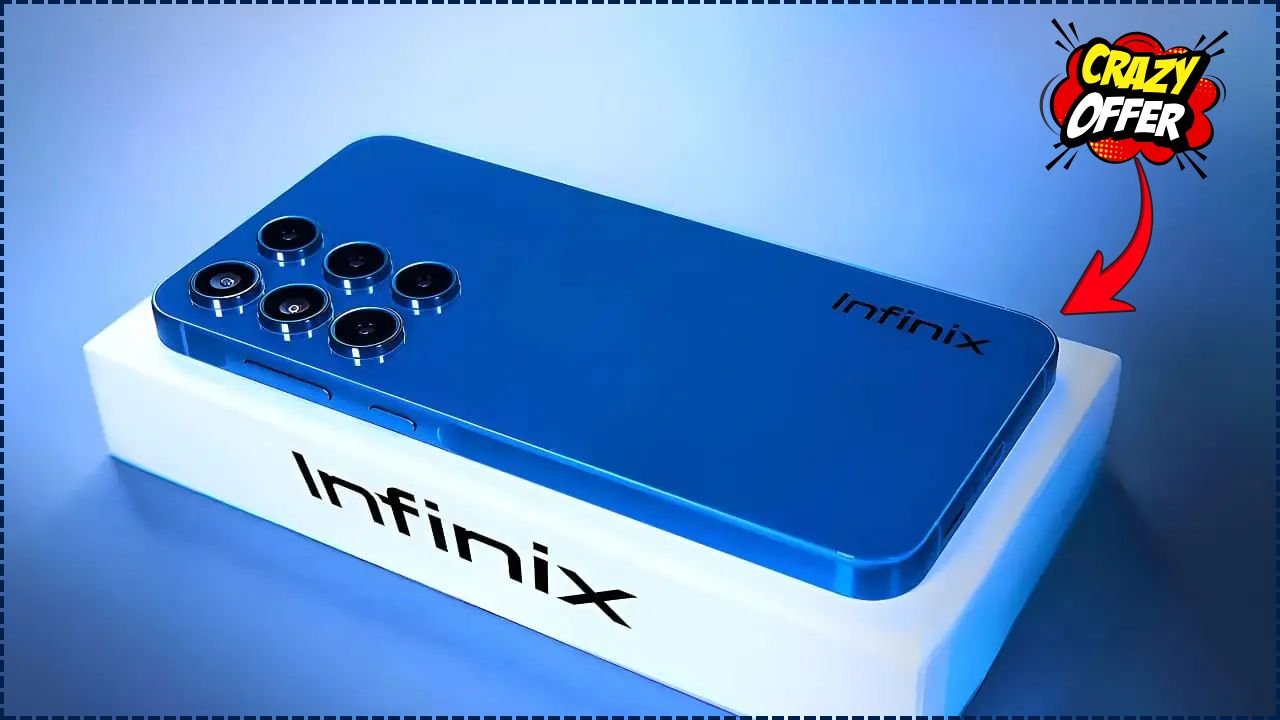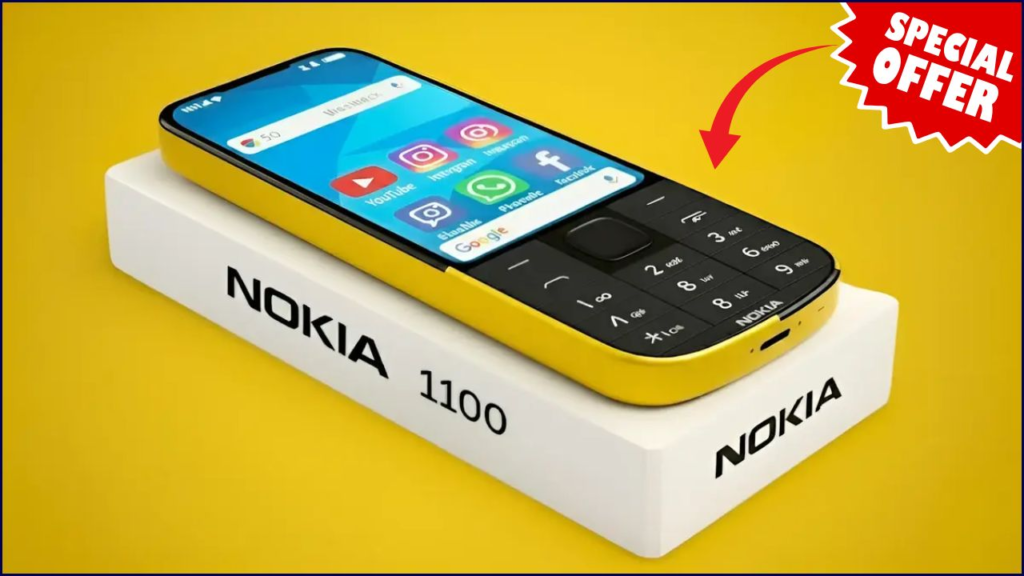
A device widely promoted online as a “Nokia 5G Keyboard Phone” featuring a 200-megapixel camera and a 7,000 milliampere-hour (mAh) battery for just ₹2,499 has drawn significant public attention in India. Yet, there is no evidence that such a model exists, and experts warn that the claim may mislead unsuspecting buyers.
Table of Contents
What is being claimed
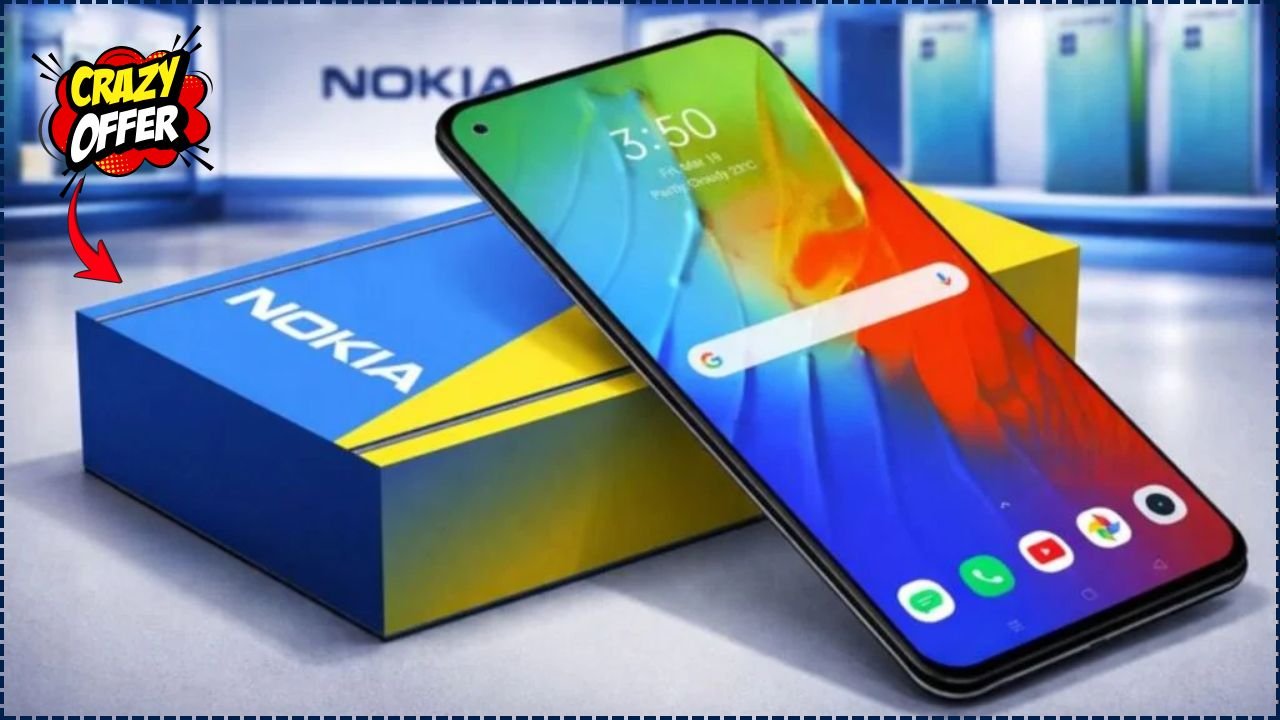
Advertisements and social-media posts describe an extraordinary handset said to combine old-school physical keys with next-generation 5G technology. Promotional images depict a compact phone labelled “Nokia 5G Keyboard Edition,” offering specifications usually reserved for premium smartphones — a 200 MP rear camera, 7,000 mAh battery, 6.5-inch display, and 5G connectivity — all at an entry-level price below ₹3,000.
Such claims have captured public imagination, especially among budget-conscious users nostalgic for Nokia’s durable keypad phones. However, the offer’s combination of premium specifications and ultra-low pricing raises serious doubts about authenticity.
No official confirmation from Nokia or HMD Global
Nokia’s brand rights in the mobile sector are managed by HMD Global, a Finnish company that produces both smartphones and feature phones. Neither HMD Global nor Nokia’s official Indian distributors have announced or listed any product resembling this “5G Keyboard Phone.”
The company’s current catalogue focuses on affordable Android smartphones and simple 2G or 4G feature phones, such as the Nokia 105 and 110 series. None carries specifications close to those claimed online. A 200 MP camera sensor alone would exceed the manufacturing cost of the entire ₹2,499 price tag.
Industry analysts say the total cost of producing a legitimate 5G device with such hardware would likely exceed ₹12,000, even before taxes or distribution margins. That disparity reinforces the view that the circulating claims are not credible.
Why the offer appears implausible
1. The economics of smartphone components
A 200 MP image sensor is found only in high-end smartphones costing above ₹25,000. A 7,000 mAh battery adds further cost and bulk. Even if such components were sourced from lesser-known suppliers, building a 5G-enabled handset with these parts would be impossible at one-tenth of market value.
2. Market segmentation
Nokia’s feature-phone lineup targets users seeking reliability, not advanced photography or gaming performance. The company’s design philosophy in recent years has prioritised long battery life, repairability, and affordability. Launching a 200 MP 5G keypad phone would represent a radical and risky departure from that approach.
3. The pattern of viral misinformation
India’s mobile market has seen repeated waves of misleading promotions. The most infamous example was the 2016 “Freedom 251,” a smartphone promised at ₹251 that never materialised as described. Technology observers note that similar hoaxes resurface periodically, exploiting public trust in well-known brands.
The role of consumer psychology
Experts in consumer behaviour point out that such offers thrive on nostalgia and aspiration. For millions of Indians who first used Nokia handsets in the early 2000s, the brand still represents reliability. Pairing that trusted name with futuristic specifications and a symbolic price can easily attract impulse clicks or pre-orders.
Digital-marketing analysts explain that some operators use these promotions as traffic-generation tools: once a user visits the site, they are redirected to unrelated products, ad networks, or even phishing pages designed to collect payment details.
Even if no outright scam occurs, misleading branding erodes consumer confidence and tarnishes legitimate businesses.
Potential risks for buyers
1. Financial and data loss
Fraudulent e-commerce sites may collect advance payments or sensitive personal information. Because many such portals lack secure payment gateways, recovering money after a failed transaction can be nearly impossible.
2. Warranty and repair issues
If a counterfeit or re-branded device is shipped, authorised Nokia service centres will not repair it. Replacement parts or software updates may also be unavailable, leaving users with unusable hardware.
3. Data-security vulnerabilities
Low-cost unverified devices often use outdated Android versions or uncertified chipsets that bypass essential security patches. Users may unknowingly expose contacts, banking apps, or personal photos to remote access.
Broader context: India’s shifting phone market
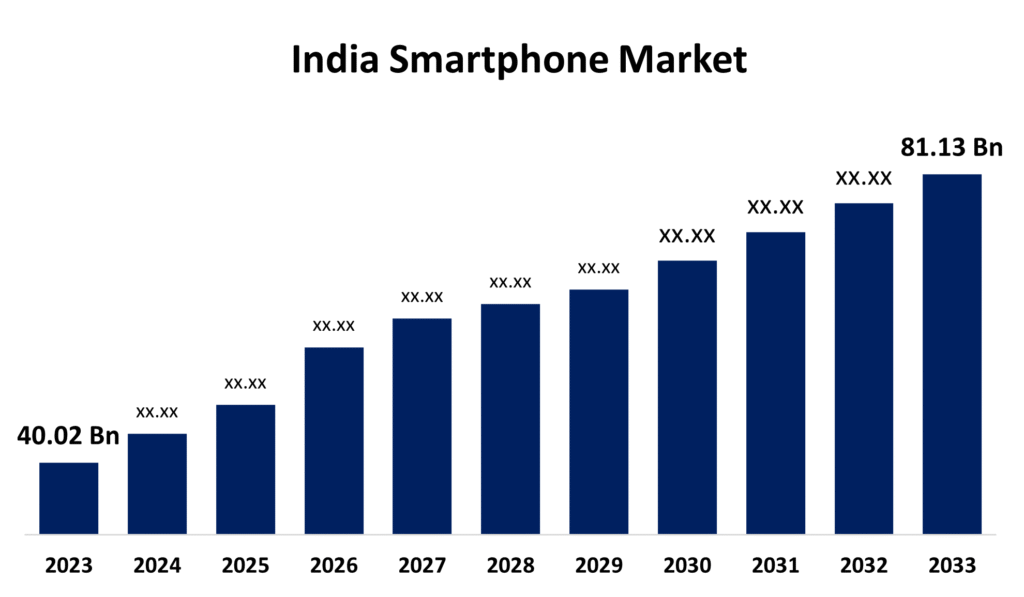
India remains one of the world’s largest mobile-device markets, with nearly a billion active connections. Yet feature-phone shipments have steadily declined as affordable 4G and 5G smartphones reach rural and semi-urban regions.
Analysts estimate that fewer than one in three mobile users still rely primarily on a basic keypad phone. Most manufacturers now position such models for secondary use or for customers in areas with poor data coverage.
In this environment, a 5G keyboard phone — even if real — would target a niche audience. Industry observers say it would make little commercial sense for Nokia to introduce an advanced 5G model in a segment shrinking each year.
Why scams persist
Fraudulent listings persist because verification mechanisms on smaller e-commerce and social-media platforms remain weak. Anyone can publish product descriptions, copy brand images, and attach exaggerated specifications.
Many of these posts disappear within days, replaced by new URLs. Since most operate outside large marketplaces with buyer-protection policies, enforcement is difficult. Victims rarely report losses below ₹5,000, allowing perpetrators to continue largely unnoticed.
Expert insights
Dr Anjali Mehra, a telecommunications economist based in New Delhi, explains that component pricing alone disproves the ₹2,499 claim. “The camera sensor and battery claimed in this so-called Nokia 5G phone would together cost more than ₹4,000 at wholesale rates,” she said. “When an offer defies manufacturing logic, it is almost certainly deceptive.”
Rajesh Menon, a senior analyst at a consumer-tech research firm, noted the emotional dimension: “These promotions rely on nostalgia for the keypad era. But established brands do not release products without official teasers, certification, or retail listings. Absence of those is a red flag.”
Both experts agree that consumers should cross-check announcements on verified brand websites and never pay in advance for unverified listings.
How consumers can protect themselves
- Verify official channels: Check the manufacturer’s website or verified social-media pages before believing any launch claim.
- Look for legitimate e-commerce partners: Only trusted platforms such as Amazon, Flipkart, or brand-authorised stores should be used for purchases.
- Beware of unrealistic offers: A 5G phone priced below ₹3,000 is not feasible given current component costs.
- Avoid sharing personal information: Do not submit identification documents or bank details to unfamiliar websites.
- Report suspicious advertisements: The Ministry of Consumer Affairs and the Telecom Regulatory Authority of India (TRAI) both maintain channels for reporting fraudulent promotions.

The need for stronger digital-literacy efforts
Technology experts argue that improved public awareness remains the best defence. Despite rapid smartphone adoption, many first-time internet users in India have limited understanding of digital fraud. Community-level education campaigns and clearer government advisories could reduce vulnerability to such schemes.
Schools and local self-help groups have begun incorporating digital-safety lessons, but these efforts remain fragmented. A coordinated national initiative could help consumers identify false claims more effectively.
Could the phone ever exist?
Technically, it is possible for a company to design a modern 5G feature phone with a large battery and a mid-range camera. Several global firms have experimented with retro-style devices that combine tactile keyboards and smart features. However, integrating a 200 MP sensor into such a compact form factor would be impractical.
If Nokia or any other brand plans a hybrid device in the future, it would likely be announced through major technology expos or official press releases, not obscure online adverts. Until then, the so-called “Nokia 5G Keyboard Phone” remains a rumour without proof.
Conclusion
The claim of a ₹2,499 Nokia 5G Keyboard Phone with a 200 MP camera and 7,000 mAh battery lacks any credible confirmation. No evidence supports its existence, and experts describe it as technically implausible.
Consumers are advised to treat such promotions with scepticism, verify sources before purchasing, and prioritise trusted retailers. In an era of viral misinformation, critical awareness remains the strongest form of consumer protection.