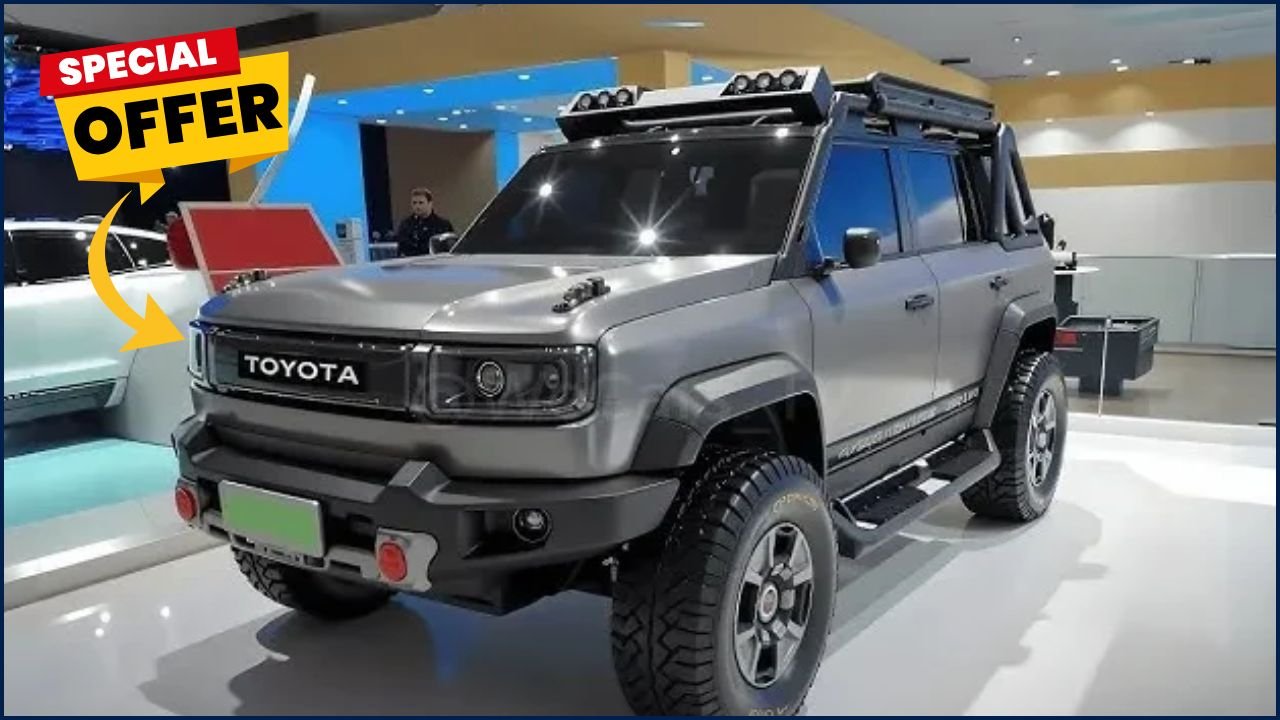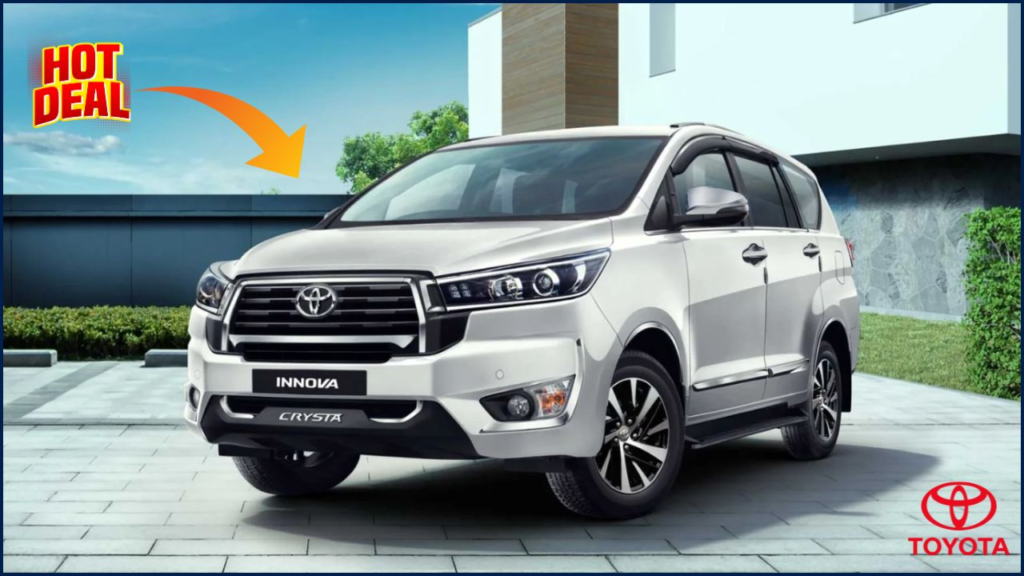
Toyota Kirloskar Motor (TKM) has launched festive-season discounts of up to ₹1.8 lakh on the Toyota Innova Crysta 2026, as India’s carmakers compete for attention in a crowded multi-purpose vehicle (MPV) market. The offer, available through authorised dealerships until December, reflects Toyota’s attempt to maintain dominance while preparing for a hybrid future.
Table of Contents
Toyota’s Market Strategy and the Role of the Innova Crysta
The Toyota Innova Crysta 2026 continues to be a cornerstone of the Japanese automaker’s India lineup, appealing to both urban families and fleet operators. The company holds a commanding position in the premium MPV segment, with nearly 40 percent market share, according to the Society of Indian Automobile Manufacturers (SIAM).
Industry analysts say Toyota’s move is both strategic and defensive. The discounts are designed to stimulate demand amid softening consumer sentiment, rising interest rates, and upcoming Bharat Stage VII (BS7) emission standards.
“The Innova Crysta is more than a car — it’s a brand within a brand,” said Dr. Rakesh Batra, Partner and Automotive Leader at EY India. “These incentives will help Toyota clear diesel inventory before the next regulatory phase while reinforcing customer loyalty.”
What the 2026 Crysta Offers
Powered by a 2.4-litre diesel engine producing 148 horsepower and 343 Nm torque, the 2026 model maintains Toyota’s hallmark reliability. Paired with either a five-speed manual or automatic transmission, it offers a smooth, torque-rich drive suited to long-distance travel.
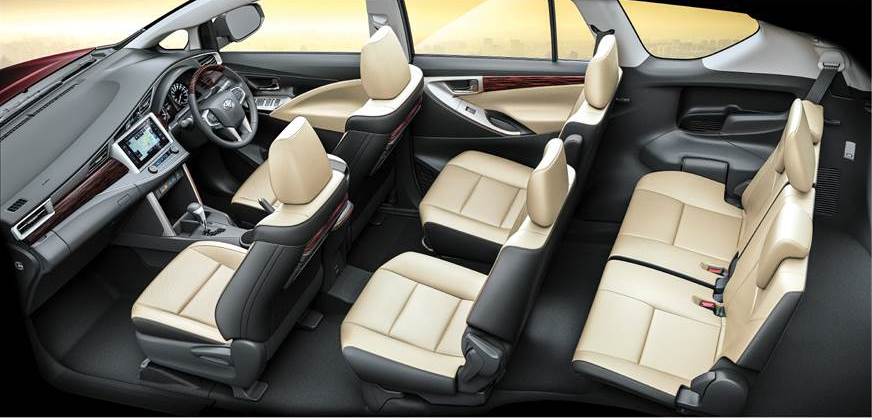
Interior upgrades include premium upholstery, improved infotainment with Apple CarPlay and Android Auto, and enhanced cabin insulation. Safety features — including seven airbags, vehicle stability control, and hill-start assist — remain standard across variants.
The Economics of a Discount
Discounts on the Innova Crysta vary across dealerships. Entry-level GX trims receive around ₹70,000–₹90,000, while top-end ZX variants, which feature leather interiors and automatic transmissions, offer up to ₹1.8 lakh when bundled with exchange and corporate benefits.
“This is not a clearance sale; it’s a recalibration,” explained Rajesh Goel, Senior Vice President of Sales and Service at Toyota Kirloskar Motor. “We’re aligning our inventory strategy with customer demand while preparing for hybrid transitions.”
A Shifting MPV Landscape
The Indian MPV market has grown substantially over the past five years, driven by middle-class families and app-based fleet operators. Competitors such as the Kia Carens, Maruti Invicto, and Hyundai Stargazer are reshaping buyer expectations with futuristic interiors and advanced connectivity features.
Despite the competition, Toyota maintains an edge in durability, resale value, and after-sales service — factors that remain decisive for Indian families seeking long-term ownership.
The Hybrid Transition and BS7 Emission Norms
India’s upcoming Bharat Stage VII (BS7) emission regulations, expected in mid-2026, will tighten carbon and nitrogen oxide limits, prompting manufacturers to overhaul diesel engines or pivot toward hybrid powertrains.
Toyota is expected to introduce a hybrid-diesel Crysta variant by late 2026, complementing its petrol-electric Innova Hycross model. Analysts view this as part of Toyota’s long-term plan to phase out diesel-only models by 2027.
“Toyota’s global strategy emphasises practical electrification rather than full battery adoption,” noted Priya Menon, Senior Analyst at ICRA Limited. “The hybrid Innova will likely bridge the transition period until India’s charging infrastructure matures.”
Consumer Perspective: Trust, Cost, and Resale
For buyers, the Crysta represents reliability in uncertain economic times. Its maintenance costs average ₹0.8–₹1.2 per kilometre, slightly higher than petrol rivals but offset by durability and resale strength.
A 2025 study by J.D. Power India ranked the Innova Crysta among the top three MPVs in customer satisfaction, citing comfort, cabin space, and long-term reliability as major strengths.
“The Crysta remains a favourite among business travellers and large families,” said Anita Mehra, Senior Auto Correspondent at The Economic Times. “Even after years of use, resale values stay remarkably strong — a rare trait in India’s car market.”
Broader Economic and Industry Context
The discounts also reflect broader macroeconomic pressures. Passenger vehicle sales dipped 3.2 percent in Q2 FY2025, as per the Federation of Automobile Dealers Associations (FADA), while borrowing costs climbed due to tighter monetary policy.
With inflation moderating and rural demand showing signs of recovery, carmakers are banking on the festive quarter to reverse sluggish volumes. Toyota’s pricing move aligns with a wave of year-end incentives from other automakers such as Hyundai, Mahindra, and Tata Motors.
Global Perspective: Toyota’s MPV Strategy in Asia
Toyota’s strategy in India mirrors its approach in other emerging markets like Indonesia, Thailand, and the Philippines, where the Innova and Avanza series dominate MPV sales.
In Southeast Asia, Toyota’s hybrid transition has already accelerated. The company reported a 12 percent rise in hybrid sales in ASEAN markets during the first half of 2025, according to data from Nikkei Asia. Industry observers say India will likely follow a similar pattern as fuel prices and emission standards tighten.
Consumer Advisory and Purchase Outlook
Prospective buyers are advised to verify local dealership offers, which vary based on stock and city-level allocations. Many schemes include accessory packages, loyalty bonuses, and low-interest finance options.
Conclusion
The Toyota Innova Crysta 2026 discount campaign illustrates how India’s automotive market is navigating a delicate balance between affordability, regulation, and technology transition. While rivals chase modern design and connectivity, Toyota’s focus on reliability and brand trust remains its strongest competitive weapon.
As the company prepares for a hybrid era, the Crysta’s enduring popularity underscores one truth: in India’s MPV segment, trust still drives demand.