The Rajdoot 350, one of India’s most iconic motorcycles of the 1980s, is making a comeback in 2025 as a retro twin-cylinder ride that blends classic styling with modern engineering. The revival aims to capture both nostalgia-driven enthusiasts and younger urban riders seeking style, value, and performance in the 300–350 cc segment.
Table of Contents
A Legendary Name Reborn
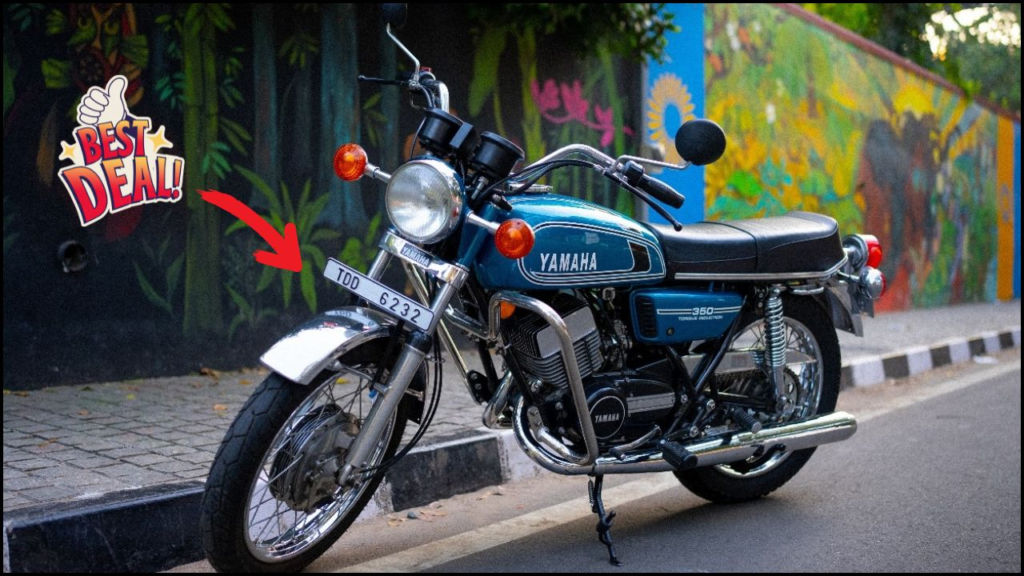
First introduced in 1983 under collaboration between Escorts Group and Yamaha Motor Company, the original Rajdoot 350 was based on the Yamaha RD 350 B. It was India’s first twin-cylinder, two-stroke performance motorcycle—fast, distinctive, and ahead of its time. While it gained a cult following, its high price and poor fuel efficiency limited its market success.
The 2025 revival seeks to rewrite that story. By combining vintage design elements with modern technology, the new Rajdoot 350 promises to retain the soul of the original while addressing the shortcomings that kept it from mainstream appeal four decades ago.
Design and Styling: Modern Craft Meets Heritage
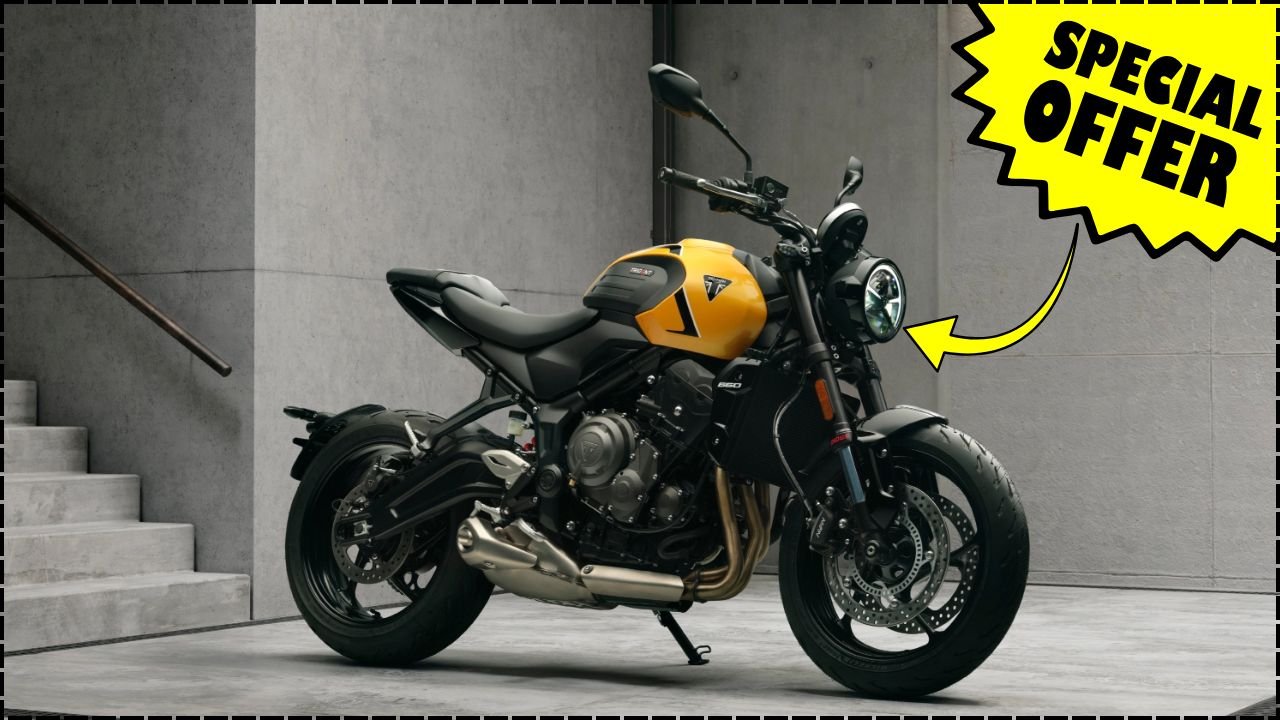
At first glance, the new Rajdoot 350 wears its legacy proudly. The design team has retained hallmark features such as the rounded headlamp, teardrop fuel tank, and chrome-lined mudguards. The frame geometry and seating position pay homage to the original, while the materials and fit-and-finish reflect 21st-century standards.
Unlike the heavy, fuel-hungry machine of the past, the 2025 version features lighter alloys, LED lighting, and an updated digital-analogue instrument cluster that subtly integrates modern readouts within a vintage design.
Riders will also find improved ergonomics—lower seat height, adjustable suspension, and refined handlebar positioning—making it more suitable for both daily use and long weekend rides.
The Engine Story: From Two-Stroke Rebel to Cleaner Performer
The original Rajdoot 350’s two-stroke twin engine produced 30 horsepower but was infamous for its thirst for fuel and oil. Today’s regulatory and environmental standards leave no room for such designs.
The new model is reported to feature a 334 cc liquid-cooled engine tuned for a balance of power and economy. While not a replica of the twin-cylinder original, the new engine aims to preserve its character through dual exhausts, distinctive sound mapping, and responsive mid-range torque.
According to early test reports from dealers, the engine produces around 28 bhp and 30 Nm of torque—figures that place it squarely against modern classics like the Royal Enfield Classic 350, Jawa 350, and Yezdi Roadster.
The manufacturer claims a fuel efficiency of 60–70 km/l, although real-world mileage is expected to settle closer to 35–40 km/l, depending on riding style and terrain.
Pricing and Launch Strategy
With an expected ex-showroom price of ₹2.10 lakh to ₹2.40 lakh, the Rajdoot 350 enters one of India’s most competitive motorcycle segments. Pre-booking offers and promotional “dhamaka discounts” are reportedly in discussion for early adopters, including extended warranty packages and free accessories.
The company’s strategy appears to blend nostalgia with affordability. By undercutting premium retro competitors and positioning itself as a “heritage-inspired everyday motorcycle,” Rajdoot aims to appeal to riders who want the vintage feel of a Royal Enfield without the bulk or higher cost.
Target Audience: Between Memory and Modernity
For older riders who grew up seeing the Rajdoot blaze down Indian roads, the new model rekindles memories of youth and mechanical simplicity. For younger buyers, it offers a statement piece—a link to India’s motorcycling past packaged for modern life.
Motorcycle clubs across Delhi, Pune, and Bengaluru have already expressed enthusiasm. “We’ve waited decades for the Rajdoot name to return,” said Rohit Bhandari, founder of a retro-bike club in Mumbai. “If it rides as good as it looks, this could be the comeback story of the decade.”
Market Context: Why Heritage Bikes Are Booming
The Rajdoot revival is part of a broader industry trend where legacy brands are resurrecting classic motorcycles for modern consumers. India’s two-wheeler market—valued at over ₹1 lakh crore annually—is seeing growing demand for lifestyle and leisure models rather than pure commuters.
According to industry analysts, the retro-modern segment has expanded by nearly 20 percent year-on-year. “Millennial and Gen Z riders increasingly value emotional connection and craftsmanship,” said Dr Ananya Rao, an automotive economist. “Classic brands with credible stories, like Rajdoot, have a built-in emotional advantage.”
This shift mirrors global patterns. European markets have seen success with the Triumph Bonneville and Moto Guzzi V7 series—machines that combine tradition with modern performance. India’s manufacturers are now following that playbook.
Engineering and Safety Upgrades
The new Rajdoot 350 departs from its 1980s frame in crucial ways. The chassis is a semi-double-cradle design tuned for rigidity and comfort. Telescopic front forks and dual-shock absorbers provide improved damping for Indian roads.
Braking has been upgraded with front and rear disc brakes paired with dual-channel ABS (Anti-Lock Braking System)—a first for the brand. Tyres are wider, with a retro tread pattern suited for both city and light-touring use.
Other updates include a slipper clutch, fuel injection, and optional Bluetooth connectivity for navigation and call alerts—features unimaginable in the original.
Economic and Cultural Significance
The Rajdoot name carries more than mechanical value—it is woven into India’s cultural and economic fabric. In the 1970s and 1980s, owning a Rajdoot was a sign of status and engineering pride. It featured in films, songs, and even political campaigns as a symbol of Indian aspiration.
By reviving it now, the manufacturer taps into deep nostalgia at a time when many Indians are rediscovering local heritage. It also underscores India’s evolving role as both a motorcycle manufacturing hub and a consumer of global-quality machines.
Moreover, the comeback supports domestic employment. Most components—including chassis, engine casings, and electrical systems—are reportedly being sourced from Indian suppliers, aligning with the government’s “Make in India” initiative.
Challenges Ahead
Despite the excitement, challenges remain. The success of any heritage revival depends on sustained quality and service. Past attempts by smaller manufacturers to resurrect legacy names have faltered due to poor reliability and weak after-sales networks.
Rajdoot’s parent company must therefore ensure robust distribution and easy access to spare parts. “If the network is patchy, nostalgia alone won’t save it,” cautioned Vikram Singh, a senior analyst at the India Automotive Forum.
Price perception is another hurdle. Although ₹2 lakh seems affordable compared to premium imports, it still demands justification in performance, refinement, and reliability. Buyers today expect both style and substance.
Expert Outlook
Analysts view the Rajdoot 350’s revival as a calculated risk worth taking. India’s mid-capacity motorcycle market is projected to grow by 15 percent annually for the next five years. Heritage-based models could claim a substantial share if executed well.
“If the new Rajdoot delivers consistent build quality and rides as confidently as its rivals, it could quickly establish a strong identity,” noted S. K. Iyer, an automotive journalist. “But expectations are high. The brand’s legend leaves little room for mediocrity.”
The Road Ahead
The Rajdoot 350 is expected to hit showrooms nationwide by the fourth quarter of 2025. Initial rollout will prioritise metro cities, followed by expansion to Tier-II towns where the original bike remains fondly remembered.
Future variants could include a café-racer edition and a touring-spec model with panniers and windscreen, depending on early reception. Electric or hybrid adaptations may also follow as the brand explores sustainable mobility.
Concluding Perspective
The return of the Rajdoot 350 symbolises more than a product relaunch—it represents India’s maturing relationship with its automotive history. Market success will depend on execution, but the emotional resonance of the name gives it a powerful start.
If the machine delivers the performance and dependability today’s riders expect, the Rajdoot 350 may once again roar across India’s highways—not as a relic, but as a revival done right.