Indian Motorcycle has entered a defining moment in its long and storied history. Once revived under the umbrella of Polaris Inc., the iconic American motorcycle brand is now stepping into a new phase marked by independence, sharper strategic focus, and long-term value creation. The recent corporate restructuring has not only changed how Indian Motorcycle operates but has also reshaped investor confidence in Polaris itself. This transition signals a broader shift in how legacy brands adapt to evolving market demands, consumer expectations, and shareholder priorities.
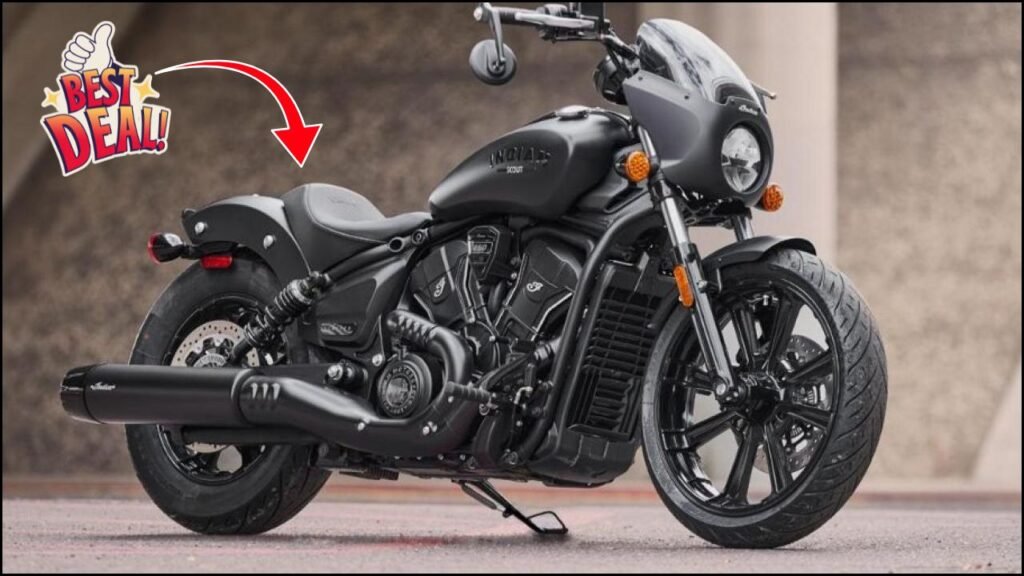
The separation has drawn attention from industry analysts and investors alike, as it highlights a calculated move rather than a sudden break. Indian Motorcycle is no longer positioned as a secondary arm within a diversified powersports company. Instead, it is being prepared as a standalone growth engine with clearer leadership direction, improved capital allocation, and renewed brand ambition.
Table of Contents
Indian Motorcycle Moves into a New Era After Polaris Split
The story of Indian Motorcycle Moves into a New Era After Polaris Split is rooted in strategic realignment rather than conflict. Polaris’ decision to restructure its business operations reflects confidence in Indian Motorcycle’s maturity as a brand. After years of investment in product development, dealer networks, and brand positioning, Indian Motorcycle has reached a stage where independence can unlock greater operational flexibility and long-term value.
This transition allows Indian Motorcycle to focus exclusively on premium motorcycles without competing internally for resources. It also gives Polaris the ability to streamline its core business, improve margins, and respond more effectively to market cycles. The split is widely viewed as a forward-looking move that benefits both entities rather than weakening either side.
Overview Table: Key Highlights from the Strategic Shift
| Aspect | Details |
|---|---|
| Parent Company | Polaris Inc. |
| Brand Affected | Indian Motorcycle |
| Nature of Change | Strategic separation / operational independence |
| Market Reaction | Positive investor sentiment, Polaris stock surge |
| Primary Goal | Unlock long-term value and focus on core strengths |
| Brand Positioning | Premium, heritage-focused motorcycle manufacturer |
| Future Outlook | Expansion, innovation, and stronger brand autonomy |
Background: Polaris and Indian Motorcycle’s Journey
Polaris acquired Indian Motorcycle with a clear revival strategy in mind. At the time, the brand carried immense heritage but lacked modern infrastructure, product consistency, and global reach. Under Polaris’ guidance, Indian Motorcycle experienced a strong comeback through new model launches, improved manufacturing standards, and aggressive dealer expansion.
Over time, Indian Motorcycle evolved from a turnaround project into a stable, high-performing brand. This success laid the foundation for the current strategic decision. Rather than continuing as part of a larger corporate structure, Indian Motorcycle is now positioned to chart its own course, free from the operational constraints of a diversified parent company.
Why the Split Makes Strategic Sense
The separation is not about distancing but about specialization. Polaris operates across multiple powersports segments, including off-road vehicles, snowmobiles, and motorcycles. Each segment requires different investment cycles and risk management approaches.
By allowing Indian Motorcycle greater autonomy, Polaris can allocate capital more efficiently across its remaining businesses. Meanwhile, Indian Motorcycle gains the freedom to pursue product innovation, marketing strategies, and global expansion plans that align specifically with premium motorcycle buyers.
This clarity of purpose is often rewarded by the market, which explains the positive movement in Polaris’ stock following the announcement.
Impact on Polaris Stock Performance
One of the most immediate outcomes of the announcement was the surge in Polaris’ stock price. Investors interpreted the move as a sign of disciplined leadership and long-term planning. Rather than holding onto all business units, Polaris demonstrated a willingness to unlock hidden value by restructuring.
The market response suggests confidence that Polaris will emerge leaner and more focused. Reducing internal complexity allows management to concentrate on profitability, cost control, and innovation in its remaining segments. This shift has strengthened investor trust at a time when global manufacturing companies face rising costs and uncertain demand patterns.
Indian Motorcycle’s Brand Strength After the Split
Indian Motorcycle’s strength lies in its identity. It combines American heritage with modern engineering, appealing to riders who value both performance and authenticity. Independence allows the brand to reinforce this positioning without compromise.
Marketing strategies can now focus entirely on the motorcycle lifestyle, racing legacy, and premium craftsmanship. Product planning can prioritize long-term brand equity instead of fitting into a broader corporate roadmap. This sharper focus is expected to deepen customer loyalty and attract new riders seeking alternatives in the premium motorcycle segment.
Product Innovation and Future Roadmap
With greater autonomy comes greater responsibility. Indian Motorcycle is expected to accelerate innovation across its lineup, including performance upgrades, design evolution, and potential expansion into new segments. Electric mobility, advanced rider technology, and global emissions compliance are areas where focused leadership can make a difference.
The brand’s future roadmap is likely to emphasize quality over volume. Rather than chasing mass-market growth, Indian Motorcycle appears committed to maintaining exclusivity while expanding selectively in international markets. This approach aligns with long-term value creation rather than short-term sales spikes.
Dealer Networks and Customer Experience
Another key advantage of the split is the ability to strengthen dealer relationships. Indian Motorcycle dealers often operate as brand ambassadors, offering not just products but a lifestyle experience. Greater independence allows the brand to invest more deeply in dealer training, showroom upgrades, and customer engagement initiatives.
Improved customer experience plays a critical role in premium segments. Riders expect personalized service, strong after-sales support, and community-driven engagement. A focused organizational structure makes it easier to deliver on these expectations consistently.
Long-Term Value Creation Strategy
The central theme behind the split is long-term value. For Polaris, this means improved financial clarity and operational efficiency. For Indian Motorcycle, it means brand purity and strategic freedom.
Over time, this structure could open doors to partnerships, joint ventures, or even future public market opportunities for Indian Motorcycle. While no such plans have been announced, the current move creates optionality that did not previously exist.
Investors tend to favor companies that simplify their business models and highlight core strengths. This restructuring aligns with that philosophy, positioning both Polaris and Indian Motorcycle for sustainable growth.
Challenges to Watch Going Forward
Despite the optimism, challenges remain. Indian Motorcycle must prove that it can thrive independently in a competitive global market. Supply chain pressures, regulatory requirements, and shifting consumer preferences will test leadership decisions.
There is also the task of maintaining momentum without the financial backing of a larger corporate structure. However, the brand’s established market presence and loyal customer base provide a solid foundation to address these risks.
Conclusion
Indian Motorcycle’s transition marks more than a corporate restructuring; it represents a strategic evolution shaped by maturity, confidence, and long-term vision. The decision reflects careful planning rather than short-term reaction, benefiting both Indian Motorcycle and Polaris.
As Indian Motorcycle moves forward with renewed independence, the brand stands at the intersection of heritage and innovation. The coming years will determine how effectively it converts strategic freedom into lasting value, but early signs suggest that this new era is built on strong fundamentals and clear direction.