


A newly launched 250 km range electric scooter priced at ₹39,999 has drawn strong national attention, offering long-distance capability at a cost far lower than most current electric models. While the announcement has generated significant public interest, analysts say buyers should wait for independent certification and technical details before treating the offer as a verified shift in India’s fast-growing electric vehicle market.
Table of Contents
Launch Announcement Triggers Strong Public Response
Reports of a 250 km range electric scooter priced at ₹39,999 gained momentum after several consumer news portals highlighted the model’s unusually long range and aggressive pricing. The claim stands out sharply in a market where most electric scooters under ₹50,000 offer a range of 60–100 km and limited performance due to smaller battery packs.
The scooter’s range claim is considerably higher than most products in the entry-level segment, creating anticipation especially among buyers in Tier-II and Tier-III cities, where charging infrastructure is still developing.
Analysts Question Feasibility and Call for Independent Verification
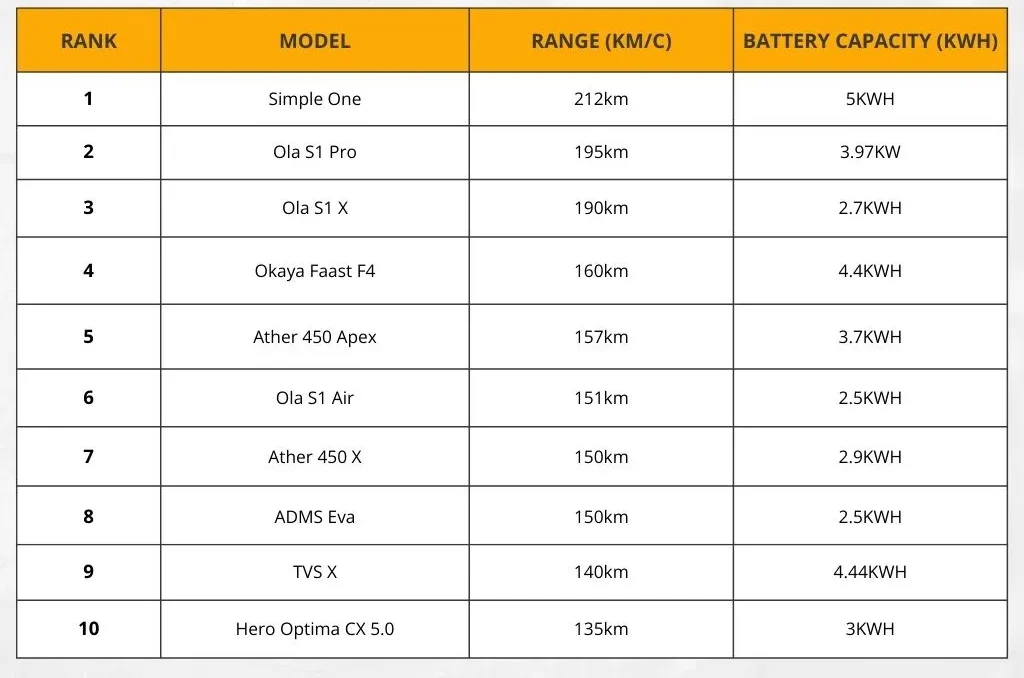
Industry experts remain cautious, noting limited information about the battery capacity, manufacturer background, and certification status. Most entry-level scooters are powered by 1.5 to 2.5 kWh batteries, which typically deliver 60 to 100 km of real-world range.
Dr. Arvind Krishnan, EV researcher at the Indian Institute of Technology Madras, said, “Achieving a 250 km range requires a battery system far larger than anything historically seen in the sub-₹40,000 category. Without certification under Indian Drive Cycle (IDC) or Modified IDC (MIDC) testing, it is difficult to validate such claims.”
Experts say the advertised range could reflect laboratory testing, low-speed operation, or an atypically efficient battery chemistry, rather than real-world performance.
Understanding the Market Context and Rising Consumer Demand
Electric two-wheeler adoption in India has accelerated in recent years. According to the Ministry of Heavy Industries, the country saw more than 9.4 lakh EV two-wheelers sold in the last financial year. Declining battery costs, higher petrol prices, and greater environmental awareness have contributed to rising EV interest.
Consumers in smaller towns often demand long-range models due to limited public charging points. This has pushed manufacturers to explore extended-range solutions, even at entry-level prices.
Possible Technical Approaches Behind the 250 km Claim
Analysts outline several potential explanations for how a budget scooter could claim such a long range:
Low-Speed Design
Low-speed scooters (under 25 km/h) consume significantly less energy. These models often use smaller motors and may achieve longer ranges under controlled conditions.
Multi-Battery System
Some manufacturers explore dual or removable battery systems. However, offering multiple batteries at ₹39,999 may not be economically sustainable without subsidy support.
LFP Battery Chemistry
Lithium Iron Phosphate (LFP) batteries are safer and more durable. While affordable, they generally offer lower energy density compared to other lithium-ion chemistries.
Lab-Tested Range
Some EV companies quote “ideal condition” ranges measured without inclines, traffic stops, or real-world load. These often differ sharply from daily commuting experiences.
Safety Standards and Regulatory Requirements
India has strengthened EV safety norms following several fire incidents in 2022. The government mandates compliance with:
- Automotive Industry Standard (AIS-156)
- Battery Safety Standard AIS-038 Rev 2
- Bureau of Indian Standards (BIS) battery certification
Anita Menon, automotive policy analyst at the Centre for Energy Studies, notes, “Safety must be the baseline for any EV. A low price cannot justify weaker components or unverified batteries. Customers should insist on certificates, warranties, and service support.”
The scooter’s manufacturer has not yet shared documentation confirming compliance with these standards.
Early Consumer Reactions and Market Sentiment
Social media discussions show mixed reactions. Many consumers express excitement at the possibility of an affordable, long-range model, especially those in areas with limited charging access.
Others remain cautious, pointing to past cases where unverified claims led to consumer disappointment. Several users highlighted concerns about battery durability, service infrastructure, and spare part availability.
Ravi Shekhar, a Pune-based EV owner, told this publication, “Affordable EVs are important for India, but range claims should match reality. Until the manufacturer shows certified range tests and real road trials, I would wait.”
Comparing the Scooter With Other Budget Models
India’s entry-level EV market includes several low-speed scooters priced between ₹30,000 and ₹55,000. These models typically offer:
- 60–80 km range (real-world)
- 250–350 W motors
- 1.5–2 kWh batteries
- Top speeds under 25 km/h
In contrast, mid-range scooters with 120–150 km certified range often start around ₹85,000–₹1,20,000.
This makes the new scooter’s electric scooter price to claimed range ratio stand out sharply, prompting deeper scrutiny.
Economic and Environmental Implications
If the scooter meets certified standards, analysts say it could:
- Lower EV entry barriers for rural and low-income buyers
- Reduce long-term transportation costs
- Accelerate India’s shift away from petrol two-wheelers
- Support national targets for reducing carbon emissions
However, if the claims are unverified, it could undermine consumer trust in the EV sector.
What Consumers Should Verify Before Purchasing
Battery, Range, and Performance
Buyers should request documentation on:
- Certified range
- Battery warranty terms
- Motor specifications
- Real-world testing data
Service Infrastructure
A reliable after-sales network is essential, particularly for battery maintenance and part replacement.
Manufacturer Credentials
Customers should check for:
- Official company registration
- Customer reviews
- Distribution channels
- Availability of spare parts
Outlook for India’s Electric Two-Wheeler Market
India’s electric mobility transition continues despite periodic regulatory and supply chain challenges. Long-range, low-cost scooters could play a major role in widening adoption, especially outside major cities. However, experts emphasize that affordability must not weaken safety or reliability.
The success of this 250 km range electric scooter will likely depend on transparent specifications, certified safety compliance, and the manufacturer’s ability to deliver consistent performance across varied Indian conditions.
Bajaj Platina Budget Model Arrives – 72KM Mileage Premium Bike at a Massive Discount Price!
Concluding Paragraph
The launch of a 250 km range electric scooter at ₹39,999 has captured national interest and raised expectations for a more affordable EV future. While the offer promises a major breakthrough in India’s electric mobility landscape, analysts urge consumers to await official certification and transparent technical disclosures before viewing it as a transformative shift in the market.
