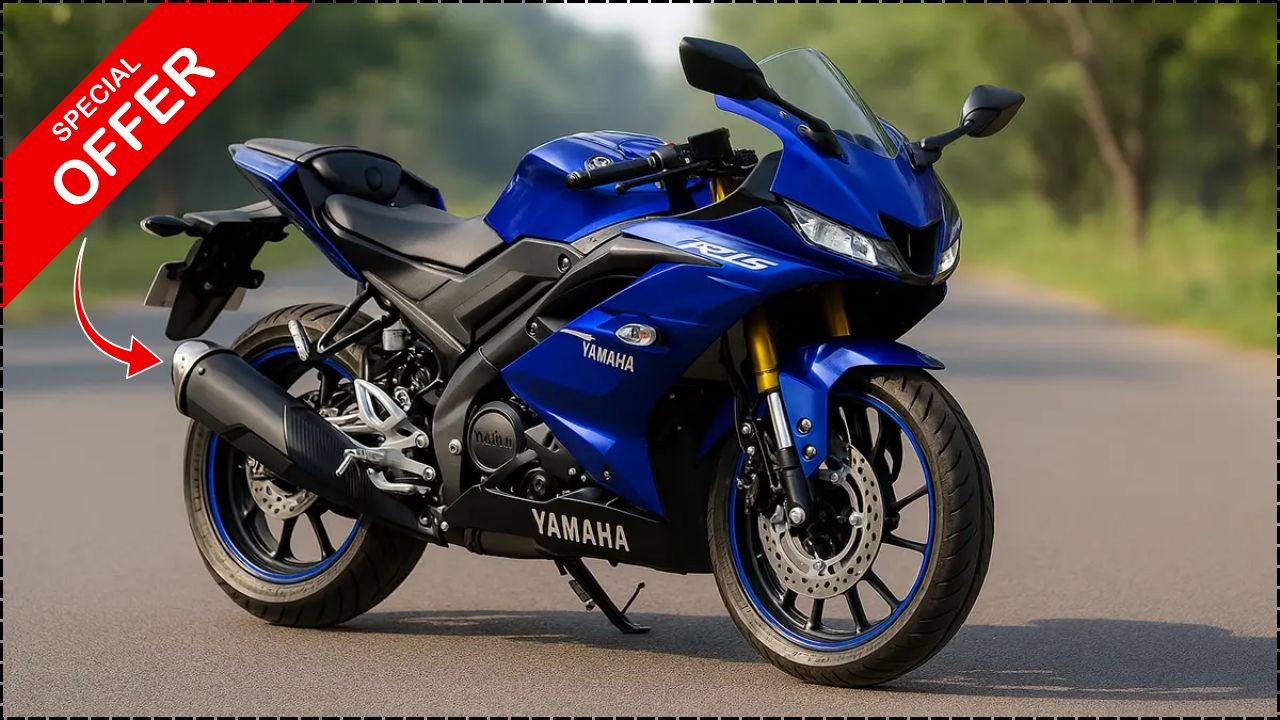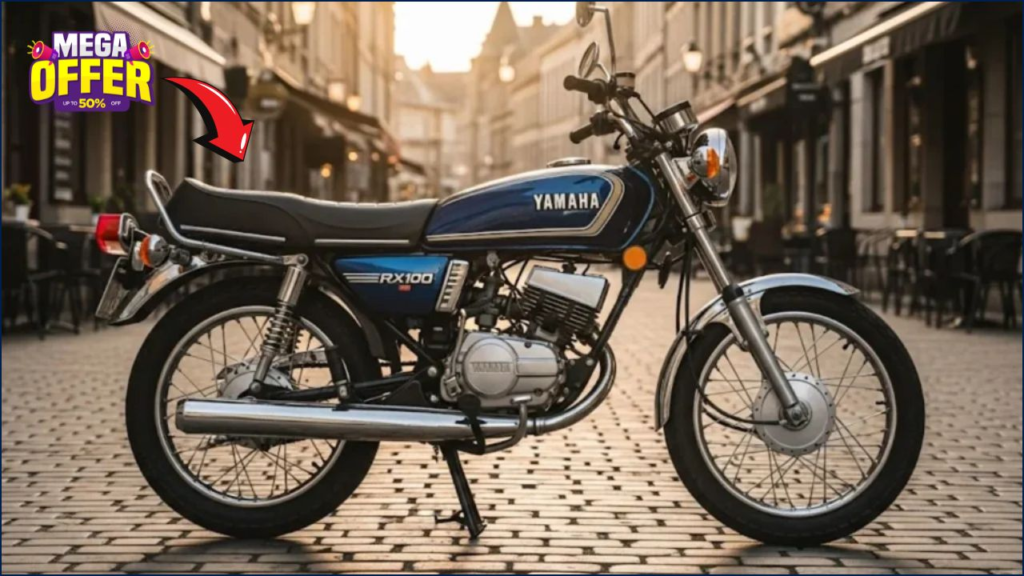
Yamaha RX 100, one of India’s most beloved motorcycles of the 1980s and 1990s, is reportedly making a comeback in 2025 with a modern engine, advanced safety features, and an estimated mileage of 55 km/l. The revival seeks to blend nostalgia with innovation as Yamaha re-enters India’s growing retro commuter market.
Table of Contents
Yamaha RX 100 Revival: Nostalgia Meets Innovation
Yamaha Motor India has hinted at reviving the RX 100 nameplate by mid-2025, according to industry sources and regional dealership reports. While no formal confirmation has been issued by the company, several insiders suggest the new model is under development at Yamaha’s Chennai facility.
Automotive market analyst Ravi Bhatia, president of JATO Dynamics India, said the move “reflects a strategic effort to reclaim Yamaha’s lost emotional connect with Indian riders by reviving a motorcycle that symbolizes speed, simplicity, and reliability.”
The RX 100, originally introduced in 1985, was known for its peppy 98cc two-stroke engine, lightweight body, and distinctive exhaust note. Production ceased in 1996 due to tightening emission standards, but its legacy has only grown stronger, with vintage models now fetching premium prices in the used market.
Retro Legacy: The Motorcycle That Defined a Generation
For many Indians, the Yamaha RX 100 was more than a motorcycle — it was a cultural phenomenon. Its quick acceleration and sleek chrome styling made it a preferred choice among college students and police forces alike.
According to industry archives, Yamaha sold over two million RX 100 units in India before discontinuation. Even today, enthusiasts restore old models, creating an underground collector market.
“Every time someone rides an RX 100, heads turn,” said Rahul Deshmukh, president of the RX 100 Owners Club of India. “There’s no other machine that captures that raw emotion and connection to the road.”
Yamaha RX 100 Powertrain, Performance, and Technology
The upcoming RX 100 is expected to feature a four-stroke, single-cylinder, 150cc fuel-injected engine, replacing the original two-stroke unit. This modern setup aims to deliver approximately 15 horsepower and a top speed of 110 km/h, while adhering to India’s latest BS6 Phase 2 emission norms.
Experts estimate a fuel economy between 50 and 55 km/l, depending on riding conditions. However, Dr Prashant Singh, mechanical engineering professor at the Indian Institute of Technology (IIT) Delhi, cautions that “real-world mileage figures often differ from manufacturer estimates, especially in urban conditions with frequent traffic.”
Additional features could include ABS braking, LED lighting, digital-analogue instrumentation, and Bluetooth-enabled connectivity, aligning the RX 100 with modern commuter expectations.
The Engineering Transformation
The shift from two-stroke to four-stroke technology represents more than compliance; it’s a transformation in performance philosophy. Two-stroke engines, while powerful, emit higher pollutants due to incomplete combustion.
Yamaha’s use of advanced fuel injection systems, liquid cooling, and precision valve timing demonstrates its focus on balancing performance with sustainability. Engineers also report the inclusion of lighter aluminum components, reducing overall weight and improving efficiency.
Environmental analyst Sanjay Narang from the Centre for Science and Environment (CSE) noted, “Manufacturers must now deliver nostalgia responsibly. The RX 100’s revival will be a test case for how legacy brands adapt to the era of clean mobility.”
Market and Economic Context
India’s two-wheeler market, valued at nearly $22 billion in FY2024, is the world’s largest by volume. Within it, the 150cc commuter-sport segment has shown the fastest growth, driven by young professionals seeking performance with affordability.
“Retro-modern motorcycles now account for over 12 percent of total two-wheeler sales,” said Aditi Mehra, senior analyst at Frost & Sullivan. “Yamaha’s entry into this space is both strategic and emotional.”
The RX 100 is expected to be priced between ₹1.25 lakh and ₹1.40 lakh (ex-showroom), positioning it against popular models like the TVS Apache RTR 160 and Royal Enfield Hunter 350.
Dealership sources from Pune and Chennai reported that customers have already begun making informal inquiries and expressing interest in pre-bookings — even without an official launch date.
The Global Retro Wave
Yamaha’s revival mirrors a broader international movement among motorcycle manufacturers to modernise classic models. Triumph Motorcycles revived its Bonneville series, while Honda launched the CB350 RS, both combining vintage aesthetics with new-age technology.
“The RX 100 brand name carries global recognition, especially in Southeast Asia,” said Toru Iwata, a Japanese auto historian. “If executed well, its revival could extend beyond India to other developing markets that share similar nostalgia-driven demand.”
Cultural Impact and Community Buzz
The RX 100 has long transcended its role as a machine — it is embedded in Indian pop culture. From Bollywood films of the late 1980s to viral social media reels today, the motorcycle represents youth, freedom, and individuality.
On YouTube and Reddit, riders frequently share restoration videos, and custom builders have created modernised RX 100s with new suspension and fuel systems. The online community RX Reborn India has grown to over 200,000 members.
TVS XL 125cc Bike: 85 KM Mileage, 110 KM/H Speed for ₹49,999 – Major Discount!
Challenges and Industry Caution
Despite the excitement, experts urge caution. High expectations from enthusiasts may create challenges if the revived RX 100 fails to replicate the raw thrill of its two-stroke predecessor. Moreover, stricter emission standards and rising material costs may limit Yamaha’s pricing flexibility.
“Balancing nostalgia with regulatory compliance will be Yamaha’s biggest challenge,” said Vikram Dutta, editor of Autocar India. “Consumers want both the roar of the past and the comfort of the present.”
Outlook: What the RX 100’s Return Means
If Yamaha confirms the RX 100’s launch in 2025, it could mark one of the most significant brand revivals in India’s automotive history. For the company, it represents not only a return to a heritage product but also a statement of technological maturity and market re-engagement.
The RX 100’s revival is expected to influence India’s mid-range segment, stimulate competition, and inspire similar heritage revivals from other manufacturers.
Until an official launch announcement is made, Yamaha’s silence continues to fuel anticipation among India’s millions of riders who grew up idolizing the unmistakable hum of the RX 100.