Daylight Saving Time Ends Early in 2025: Every fall, millions of Americans look forward to the sweet luxury of falling back the clocks—gaining an extra hour of sleep and welcoming darker evenings. But in 2025, Daylight Saving Time (DST) ends earlier than usual, taking place on November 2nd. While this shift means an extra hour to rest, experts warn it can have unexpected, significant effects on your body, brain, and overall health. Whether you’re a working professional facing hectic days, a parent managing household chaos, or simply someone who values good sleep, understanding DST’s impacts and how to cope is crucial for your well-being and productivity.
Table of Contents
Daylight Saving Time Ends Early in 2025
| Aspect | What You Need to Know |
|---|---|
| DST Ends Date in 2025 | November 2nd, 2025 — clocks fall back by one hour |
| Health Risks | Sleep disruption, mood swings, increased risk of heart problems, weight gain |
| Workplace Impact | Productivity loss, increased accidents, risk of errors |
| Coping Tips | Maintain sleep schedule, seek morning sunlight, limit screens at night, exercise moderately |
| Mental Health Concerns | Heightened anxiety, depression, seasonal affective disorder (SAD) symptoms |
| Expert Recommendations | Gradual sleep shifts, light therapy, employer support, lobbying for permanent standard time |
| Official Website | Time and Date |
Why the Daylight Saving Time Ends Early in 2025 Is More Than Just a Clock Change?
You might wonder, “It’s just an hour—what’s the big deal?” But in reality, this seemingly minor one-hour shift profoundly disrupts your circadian rhythm—the internal biological clock that regulates your sleep, hormones, metabolism, mood, and more. When your internal clock falls out of sync with the external world due to the time change, it can cause fatigue, irritability, reduced focus, and other physical and mental health problems that can last for days or even weeks.
What the Science Says: How Changing the Clocks Affects Your Body and Mind
DST was originally introduced as an energy-saving measure to make better use of daylight during summer evenings. But recent scientific studies reveal that the twice-yearly clock changes come with serious health and safety tradeoffs.
When clocks “fall back,” your internal clock feels out of sync, creating a state similar to jet lag. This disruption results in:
- Poor sleep quality: While you might technically gain an extra hour of sleep, the abrupt shift often leads to fragmented or less restorative sleep, especially for people who already struggle with insomnia or irregular sleep routines.
- Mood disturbances: Reduced evening daylight leads to earlier melatonin release and less serotonin production, linked to increased risks of depression, irritability, and fatigue. Seasonal affective disorder—a form of depression triggered by reduced sunlight—is more common during this period.
- Heart health risks: The week after DST ends is linked to an increased risk of heart attacks and strokes, with inflammation and other cellular changes triggered by circadian misalignment thought to be causes.
- Weight gain and metabolic problems: Disrupted sleep and circadian rhythms can affect hormones regulating appetite and metabolism, leading to increased cravings and weight gain.
- Cognitive slowdown: The time shift impairs concentration and reaction speeds, elevating the risk of workplace errors, accidents, and even fatal car crashes.
Mental Health: An Often Overlooked Concern
Research underscores the heightened mental health risks linked to DST transitions. Anxiety, stress, and depressive symptoms spike, particularly in vulnerable populations such as teenagers, people with pre-existing mental illnesses, and older adults. Sleep deprivation and loss of natural light exposure are major contributing factors.
The Early End of DST and Its Impact on Workplaces
The DST change is no joke for employers and employees alike. Studies show significant productivity dips and an uptick in accidents in the days and weeks following the time switch. Sleep deprivation diminishes alertness and cognitive function, which harms safety and efficiency in demanding industries such as healthcare, manufacturing, logistics, and transport.
What Employers Can Do:
- Adopt flexible work hours during the adjustment period to ease employee stress.
- Promote health and wellness programs that emphasize sleep hygiene and stress management.
- Encourage workers to take outdoor breaks to get natural light.
- Avoid planning high-stakes tasks or critical decision-making immediately after the shift.
- Educate employees about the importance of preparation and self-care during these periods.
Practical Guide: Thriving Through the Daylight Saving Time Ends Early in 2025
Though you can’t control the clock change, you can control how you react to it. Follow these tips to reduce the shock and keep your health in check:
1. Make Sleep Adjustments Early
Shift your bedtime 15-20 minutes earlier for several days leading into the change to slow the disruption.
2. Soak Up Morning Sunlight
Morning light exposure is the strongest signal to reset your internal clock. Spend at least 30 minutes outdoors each morning.
3. Stick to Your Routine
Maintain consistent wake and sleep times—even on weekends—to reinforce your circadian rhythm.
4. Limit Evening Screen Time
Avoid blue light from electronics one hour before bed to help melatonin production and improve sleep quality.
5. Exercise Moderately
Regular daytime physical activity improves mood and sleep but avoid vigorous exercise too close to bedtime.
6. Create a Sleep-Friendly Environment
Keep your bedroom cool, dark, and quiet to promote deep sleep.
7. Mind Your Diet
Limit caffeine and alcohol in the evening; eat lighter meals to avoid digestive disruptions.
8. Consider Light Therapy
If you’re prone to mood dips or SAD, light therapy lamps simulate natural sunlight and ease symptoms.
9. Listen to Your Body
Feel free to take short naps if tired, but avoid long or late-day naps that interfere with nighttime rest.
Why Experts Advocate for Ending DST Forever?
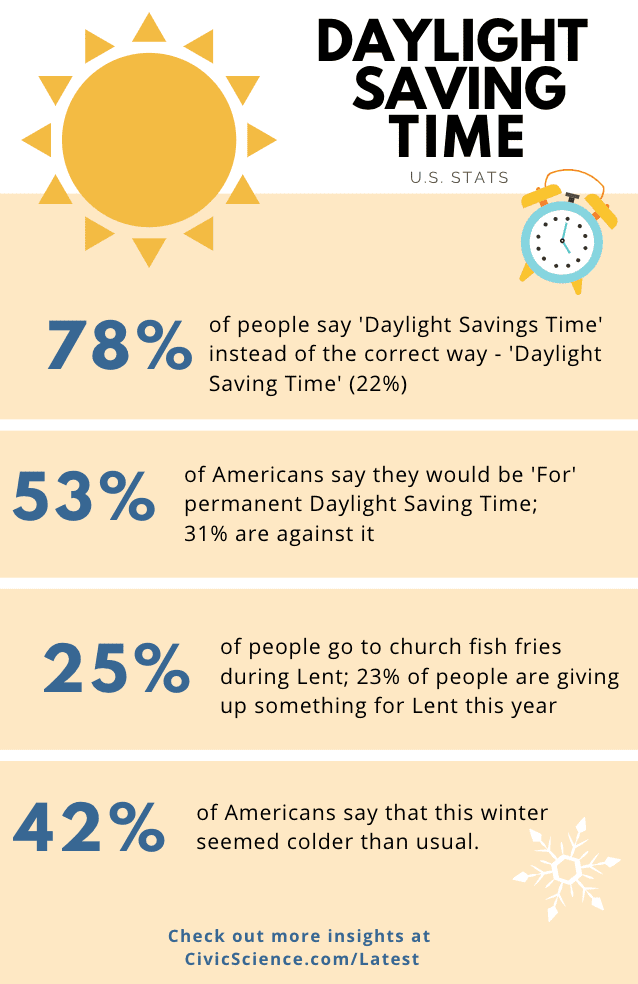
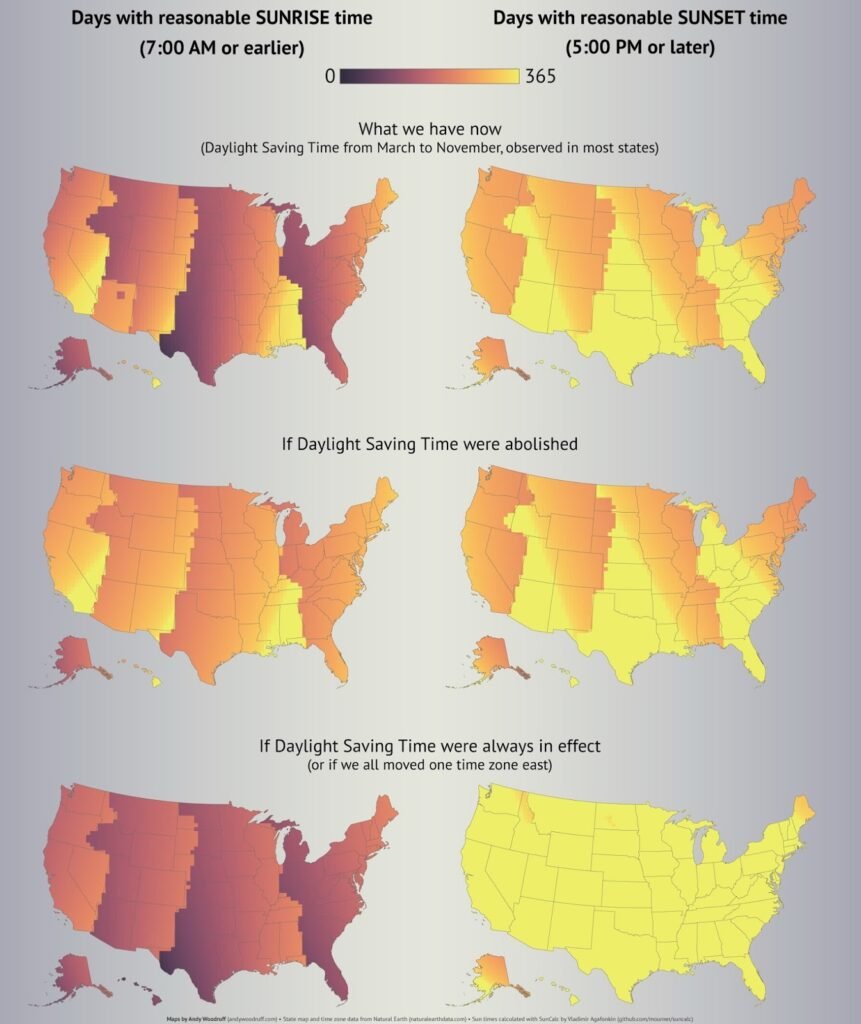
Given mounting evidence of DST’s health risks, many sleep and circadian rhythm experts urge abolishing the biannual time changes. Scientific models predict that switching to permanent standard time could greatly reduce obesity rates by 2.6 million cases and stroke cases by 300,000 annually across the U.S..
Permanent standard time aligns better with human biology, improving sleep, mental health, and heart safety. Yet, nationwide legislative action remains slow despite growing public support and state-level proposals.